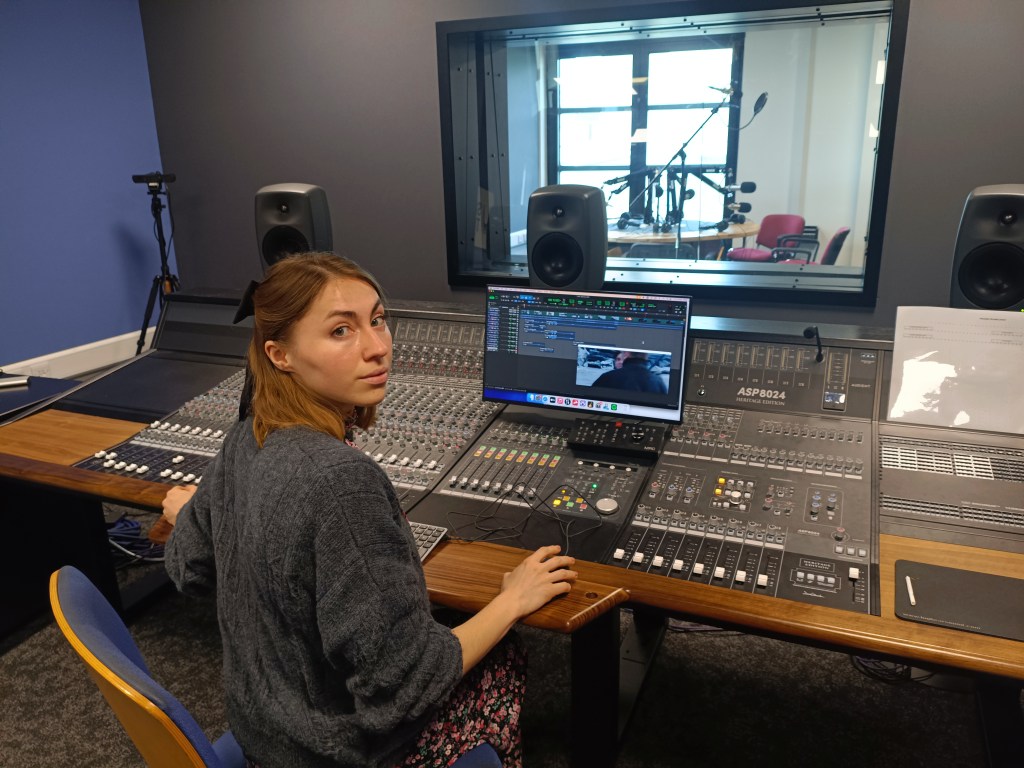
Sound is one of the most overlooked elements in video production, yet it is often the first thing audiences notice when something feels “off.” You can have beautiful visuals, strong performances, and a compelling story, but if your audio is poor, the entire project loses credibility.
The good news is that improving your sound does not always require expensive equipment. Often, it comes down to awareness and a few practical habits.
The first and most important rule is to prioritise clean dialogue. If the audience cannot clearly understand what is being said, everything else becomes secondary. Built-in camera microphones are rarely enough. Even a basic external microphone, such as a lavalier or a shotgun mic, can significantly improve clarity.
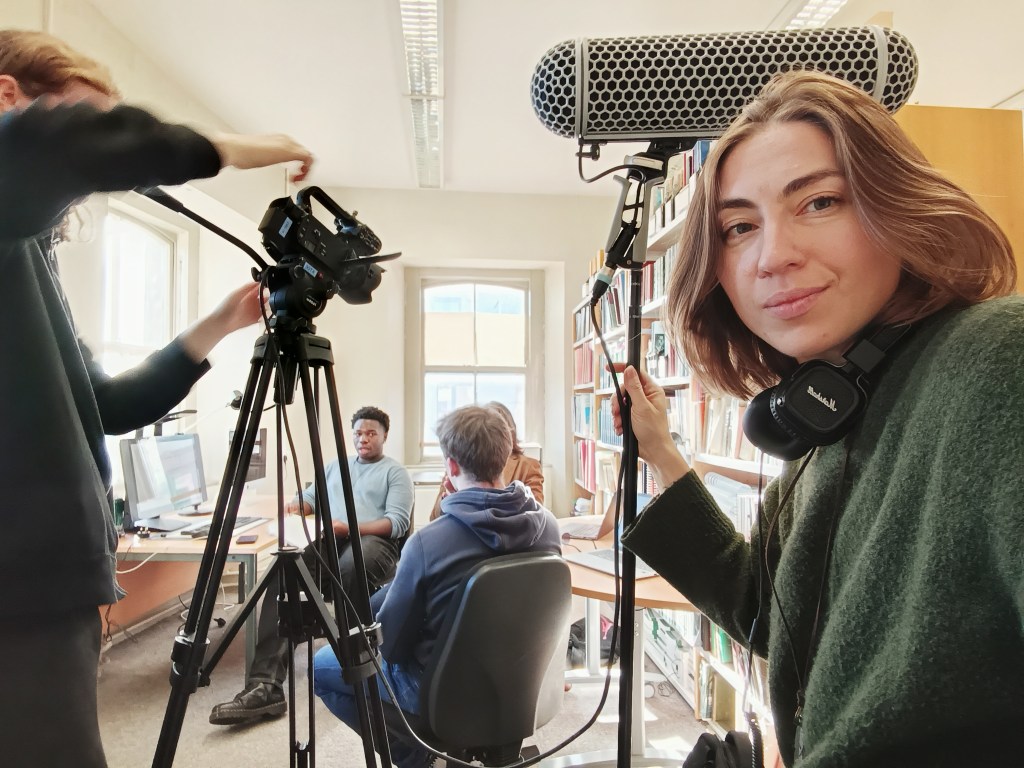
Monitoring sound during recording is equally important. Wearing headphones allows you to catch issues immediately instead of discovering them later in post-production, when it may be too late to fix them.
The second tip is to control your environment. Sound is affected by everything around you – hard surfaces, background noise, and even weather conditions. Before you start recording, take a moment to simply listen. You may notice things you would otherwise ignore: a distant road, a buzzing light, or wind interference.
Small adjustments, like changing position, closing a door, or adding soft materials to absorb sound, can make a noticeable difference.
Third, always record room tone. This is one of the simplest techniques, yet it is often forgotten. Room tone is the natural ambient sound of your location. Recording 30 to 60 seconds of it allows you to smooth transitions between cuts during editing. Without it, audio edits can feel abrupt and unnatural. With it, your project feels more cohesive and professional.
Another key principle is layering sound. Good sound design is not just about dialogue; it is about creating an atmosphere. Background sounds, subtle effects, and environmental audio all contribute to how a scene is perceived. For example, adding distant traffic, footsteps, or wind can make a static image feel alive. These layers do not need to be loud – they often work best when they are barely noticeable but still present.
Finally, be intentional with music. Music has a powerful emotional impact, but it should support the story rather than overpower it. One of the most common mistakes is using music that is too loud or too dominant. The audience should feel it, not fight to hear dialogue over it.
Choosing the right track and balancing it properly can transform the tone of your entire project.
Sound design is not just a technical process; it is a storytelling tool. It guides the audience’s attention, shapes emotion, and creates immersion. When done well, it often goes unnoticed – and that is exactly the point.


Leave a Reply