
Working on a film set for the first time can feel overwhelming. There is a structure, a rhythm, and an unspoken code of behaviour that no one fully explains beforehand.
Through my experience on productions like “Dancing with the Stars Ireland” and “Fair City”, I learned that success on set is not just about technical skills. It is about understanding how to exist within that environment.
The first rule is simple: if you are on time, you are already late. Call times are not flexible suggestions – they are expectations. And what many people do not realise is that arriving at the production base is not the same as being ready on set. Locations can be far, transport takes time, and if you plan to eat before your shift, that also needs to be factored in.
Being early is not about impressing people; it is about being reliable.
The second rule is: do not stand in the way. It sounds obvious, but on a busy set, space is constantly in motion. Crew members are moving equipment, actors are preparing, and every second counts. Standing in the middle of a walkway can disrupt the entire flow.
A simple habit – staying closer to walls or out of main paths – shows awareness and respect for the environment.
Third, learn when to observe and when to speak. Film sets are full of highly skilled professionals, and it is natural to feel curious. However, timing matters. Interrupting someone during an active setup or asking questions in the middle of a take is not appropriate. There is a rhythm to the work, and understanding that rhythm is part of becoming professional.
The best approach is to observe first, then ask questions at the right moment.
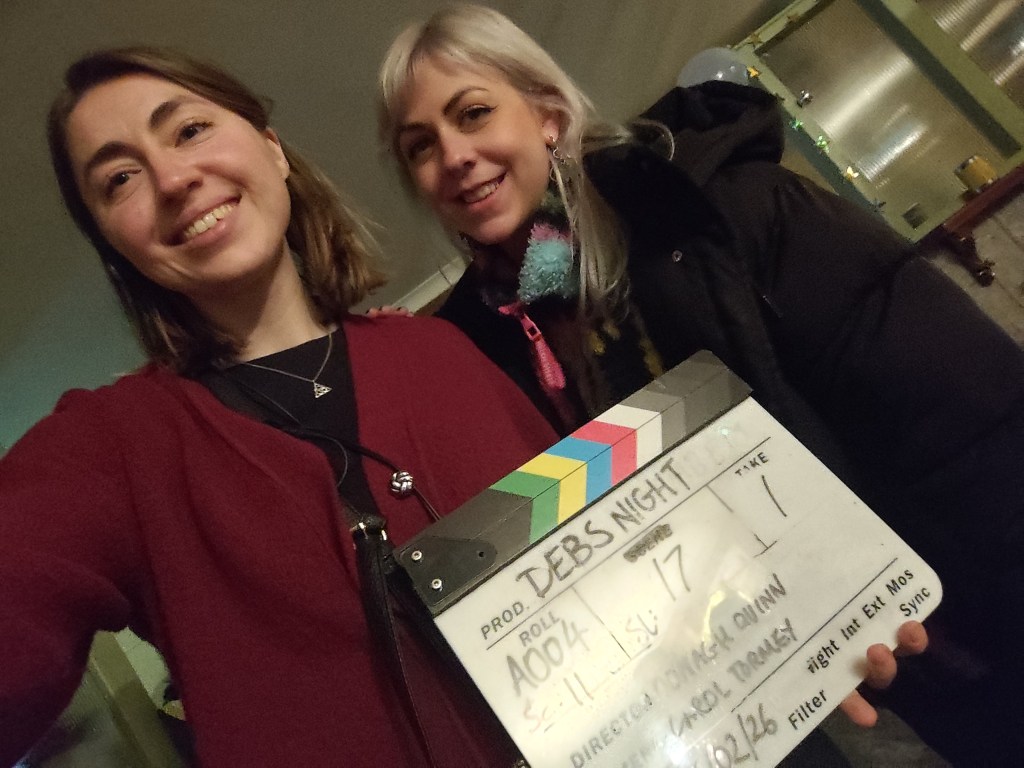
The fourth rule is: be adaptable. On smaller productions especially, roles can shift quickly. During “Debs Night”, I worked as a Trainee Assistant Director, but like many others, I had to step into different tasks when needed. The ability to respond, support, and stay flexible is what keeps a production moving. It is not about sticking strictly to one role – it is about contributing to the overall process.
Finally, respect the work, even in the small moments. It might be tempting to treat a set casually, especially when things seem relaxed between takes. But professionalism is consistent. Even something like asking for photos or autographs at the wrong time can disrupt the atmosphere.
Understanding boundaries is part of being trusted on set.
These rules are rarely written down, but they define how smoothly a production runs. Learning them early makes a significant difference – not just in how others see you, but in how confidently you navigate the industry.


Leave a Reply